
Most people will agree that the brain is the most important organ in the body. It is the seat of all the memories and behavioral traits that define a person, and it is in charge of controlling the rest of the body. While most people are aware of the fragility and importance of their brains, they do not often give much thought to how their actions might be damaging it.

Sadly, many common practices that people do are steadily causing damage to their brains. The form and degree of damage varies based on these practices. In some cases, the damage simply emerges as a reduction in performance, while others will gradually experience complete behavioral changes, and others still are risking permanent brain damage by their actions. To help you prevent this, here are some activities that might be damaging your brain without you knowing it.

  1. Hangovers

That drugs and alcohol negatively affect your brain will be obvious to a lot of us, and for good reason. When consumed, these substances affect a person to make them happier, more energetic, more relaxed, or a number of other feelings. This is accomplished by increasing or decreasing the production of neurotransmitters in the brain. When taken frequently and in excess, they eventually rewire the brain and diminish its ability to regulate the production of brain chemicals. Even if you are not addicted, the withdrawal from alcohol and drugs lead to short term memory loss, reduced functionality and various other effects.

  1. Sleeplessness

Sleep is one of those essential activities that we as humans require, it gives each part of our body the chance to rest and refresh itself for the coming day. Sadly, research done in the UK in 2017 found that 20% of people have been dealing with sleep disorders for over ten years, a further 35% have been dealing with it for over five. Another study found that only 32.3% of people are actually happy with the quality of sleep they receive. With this many people with brains under rested, is it any surprise that people often feel they are underproductive. Sleeplessness has significant impact on cognition and memory, and is often a contributing factor to people developing depression.

brain

  1. Loud Music

For many of us, music is not good unless it is ear shatteringly loud. You rarely see people excitedly dancing to music being played at a moderate volume, and earphones were invented to let you play your music as loud as you want. The ears are two organs that would seem to lead directly to the brain, and so it should not come as much of a surprise that there is a link between hearing loss and cognitive deterioration. The precise reason for this is still under review, but studies have shown that older people who have lost their hearing experience brain shrinkage, a normal effect of aging, at an accelerated rate. To prevent this, it might be best to consider turning down the volume more often and avoid regularly visiting places of loud noise.

  1. Smoking

The brain requires oxygen to function and any actions or activities that disrupt the body’s oxygen supply is damaging the brain in some way. The damages smoking causes to the body has been very completely catalogued, and experts are finding more every day. In this case, smoking damages the brain by impairing the lungs’ ability to draw in oxygen and the heart’s ability to circulate oxygenated blood to the brain. This leads to a decrease in cognitive ability and more serious damage with time.

  1. Prolonged Isolation

It is nice to have some time to yourself every once in a while, but when this happens too often you are putting yourself at serious risk of brain deterioration. Loneliness causes stress, anxiety, and often leads to worry and overthinking. All of these put too much strain on the brain and decrease its ability to function. Loneliness leads to an inflammation within the brain that has been recognized as a symptom of Alzheimer’s disease. It is very possible to feel lonely even when you are often in social settings, and this is no better as the problem is the feeling of being alone, not the physical act of being alone.

  1. Worrying and Overthinking

The world is not an easy place, and we that have to live in it understand this all too well. However, one thing that does not improve the state of the world is constantly worrying about it. People are prone to fixating on their issues, this triggers an increase in the production of cortisol and with time this will lead to brain cells losing synapses. The effect of this is that it becomes steadily more difficult for us to create new memories and recall old ones. Additionally, constant worrying messes with the production of neurotransmitters in the brain, and eventually leads to difficulty producing dopamine and other vital neurotransmitters, making it steadily more difficult to snap out of it.

  1. Your Diet

What you eat affects every part of your body, and the brain is no exception. The brain, like any other part of the body, requires a regular dose of essential nutrients to function properly. Nutrients such as vitamin B, vitamin C, Zinc, and others, are all required by the brain. A deficiency of these in your diet will lead to short term memory loss and a general sluggishness in thinking.

Your diet will harm your brain as well if your regular meals are consistently high in fat. People who consistently eat food high in calories have been found to experience short term memory loss. This is because fatty foods clog up the arteries, this makes it more difficult for oxygenated blood to reach the brain.

Introduction

Our brains are shaped by our experiences throughout life. From the time we are born to the final moments of death, brains cells and related connections change in response to its environment. Researchers are using new technology to explore changes to the brain cell function and structure.

Their findings might one day, lead new strategies for enhancing brain health and supporting early identification of brain diseases. Furthermore, scientists have used imagining, genetics and molecular tools to determine the key distinguishers between the healthy brains of humans from children to teenagers and older adults.

The best insight we’ve received on the ageing of normal brains originates from extensive research on the nervous system that began long ago. These studies have started bearing fruit and with innovative technologies, it is possible to unravel the in-depth function and structure of the living brain to formulate questions on what exactly happens with ageing cells.

While most of the questions are unanswered, animal and human studies reveal how an individual’s lifestyle affects brain health over time. From stress disorders, diet, exercise, struggles with obesity and other life experiences, the brain has the unique ability to adapt to all of life’s experiences.

What is the knowledge base on ageing so far?

We know that once the brain nears 20 years of age, it reaches its maximum weight and small deviations in the structure and brain chemistry starts at midlife for most humans. During an individual’s lifetime, the brain risks losing some neurons but normal ageing doesn’t lead to large loss of neurons.  This differentiates normal ageing from neurodegenerative changes occurring with the Alzheimer disease process, after a stroke or Parkinson’s disease.

Brain in aging

Brain tissues reacts in different ways when the neurons are damaged. What’s left of the healthy neurons expand their dendrites and perfect their link to other neurons. A damaged brain neuron can readjust if the neuron’s cell body stays the same by inducing changes in its dendrites and axon.

A damaged brain, unlike the liver or skin, cannot respond with healthy generations of fresh neurons. The current knowledge base suggests that small stem cell populations in a normal adult brain contributes only a small fraction of the various neurons found in only some areas of the healthy brain. What makes the problem worse is that the amount of the stem cells further decline as the ageing process occurs.

Is there a link between obesity, appetite and the brain?

What we eat or drink have effects on brain health, some are problematic and others are good. Obesity is deeply entrenched in the brain where eating behaviours and hunger signals are located. Thankfully, scientists are making giant strides to understand how the brain process information about physical activity and food. Hopefully, it will lead to a reduction in the number of obese and overweight people and enhance long-term brain health.  People once thought eating habits was simple about self-control but scientists have found that chemical processes in the brain that fuel feelings of fullness and hunger are very complicated.

Obesity and the brain

Recently, researchers studying animals realized that high-calorie fatty food triggers the reward system in the brain and overeating leads to near-permanent changes to the brain. By studying the way genes, brain chemicals and the environment relate, scientists hope to develop methods that solve the global obesity endemic.

A gathering of motivational parameters always shapes eating behaviour and homeostatic demands set to ensure correct behavioural patterns with a variety of metabolic consequences sending signals to brain structures responsible for homeostatic parameters.

To full comprehend eating behaviour we have to understand how reward works. Some researchers argue that obesity is a consequence of overconsumption due to impaired reward functioning and addictive processes.

The interaction of gratification, reward and dopaminergic system can overrule the control of hunger. This was the primary theme of Singh’s review, which summarizes the connection between food, mood and obesity.

An Obesed man

One logical means of controlling appetite could be a generic replacement of meals. A sample was collected from mature overweight adults and meal replacement influenced the areas of the brain essential to eating behaviour and abridged functional connectivity in anterior cingulate cortex, insula, amygdala, superior temporal pole and hippocampus

Stress and Anxiety: How to cope with traumatic events

Stress is a natural part of everyday life. From deadlines at work hanging over our head, unending traffic on the way home, worrying about a child in the hospital, watching a bomb go off close to where you are or being in the middle of a shooting, the brain lets off chemicals that allows the body to respond fast. Research reveals that it is beneficial to have small bouts of stress but stressing all the time is dicey and escalates the risk for mental disorder. Scientists aim to understand the elements that make people either more or less resilient to stress and fear in a bid to develop innovative treatments for PTSD and anxiety disorders.

A traumatic event is scary, shocking and dangerous experience that affects people on an emotional level. It might be a natural disaster such as an earthquake, terror attack or car accident. The response of individuals to traumatic events is a critical research topic for the National Institute of Mental Health

How do humans respond to traumatic event?

  • Feelings of sadness, anxiety and anger
  • Continually dwelling on the event and having frightening thoughts about the event
  • Trouble sleeping (nightmares) or inability to concentrate during the day

Physical responses include

Digestive problems and stomachaches

Headaches

Being easily startled and jumpy

Constant tiredness

Excessive sweating and racing heart

These are normal responses for most people and it reduces with time. To cope with these signs, avoid alcohol and drugs that offer an escape from harsh reality. Spend time with close friends and loved ones whose support will help you deal with the trauma in a healthy process. Other steps include establishing routines for sleep, meals, exercise and staying active to manage stressful feelings.

FAQs

  • Are mental health problems treatable?

Yes, they are. If you know someone dealing with mental issues or you’re struggling to cope, talk to your healthcare provider on how to proceed.

  • Can stress age the brain?

Stressful events such the death of a loved one, losing your job, getting divorced, makes the brain age by at least four years.

  • Does marijuana hurt or help an adolescent health?

Indeed, a number of studies have found evidence of brain changes in teens and young adults who smoke marijuana. They found consistent evidence of both structural brain abnormalities and altered neural activity in marijuana users.

  • What has research uncovered about PTSD?

Symptoms of PTSD may not always be obvious to the person experiencing them or to those around them. PTSD symptoms can often look like depression, which can lead to misdiagnosis. Women are about twice as likely as men to develop PTSD.

  • How does alcohol make us drunk?

Ethanol is the intoxicating part of alcohol and its molecules are so small that they can actually pass into the gaps between brain cells. There it can interfere with the neurotransmitters that enable all the brain’s activities making the brain slower to respond to stimuli.


Everything we experience in life contributes to how our brain forms and grows. A variety of incidents and habits combine and result in long term implications that either positively or negatively affect the development of the brain.

With the help of modern technology, scientists now have the capability to better explore the changes that occur in brain function and cell structure as we humans transit from child to adult to aged. The discoveries currently being made in this field could eventually be the basis for new ways to improve brain health, as well as bring about a speedy diagnosis of brain disease.

From the moment of our birth all the way till death, our brain cells and the connections linking them undergo a constant change as they respond to factors from our environment and internal factors brought about by our physical well-being. With the availability of molecular and genetic tools, as well as imaging, researchers can identify the essential dissimilarities between the brain of a youth and that of an older adult. All the questions are yet to be answered, but more light is being shed, especially concerning how certain lifestyle choices influence a brain’s health over time.

The Aging of the Brain

The eventual aging of the brain is just as inevitable as the aging of the body. But the same way some people physically age differently is the same way the brain of others also age differently. The question is if there’s a way to reduce the rate of decline of one’s brain as it ages?

As we go through life, our brain undergoes more changes than any other organ in our body. Its complex functions and structures keep modifying with various pathways and networks connecting and severing. A child’s brain during its earliest years of life, forms every second more than a million new neural connections. The frontal lobes which are responsible for functions like working memory, planning, and impulse control are some of the last sections of the brain to fully mature. For some people, this maturity isn’t reached till they reach 35 years of age.

As we get older, our physiology begins to gradually decline and the same decline applies to our brains. This is apparent in the little memory slips which we experience in our 20s but never pay much attention to until it worsens once we are past our 50s. But this isn’t necessarily a sign of ill-health and researchers from various field are still trying to get a firmer grasp of what about the brain alters over time to bring about such changes as we age.

What Exactly about the Brain Changes as we Age?

Brain Changes

It is believed that as we transit from youth to aged, the following general changes will occur to the anatomy of the brain;

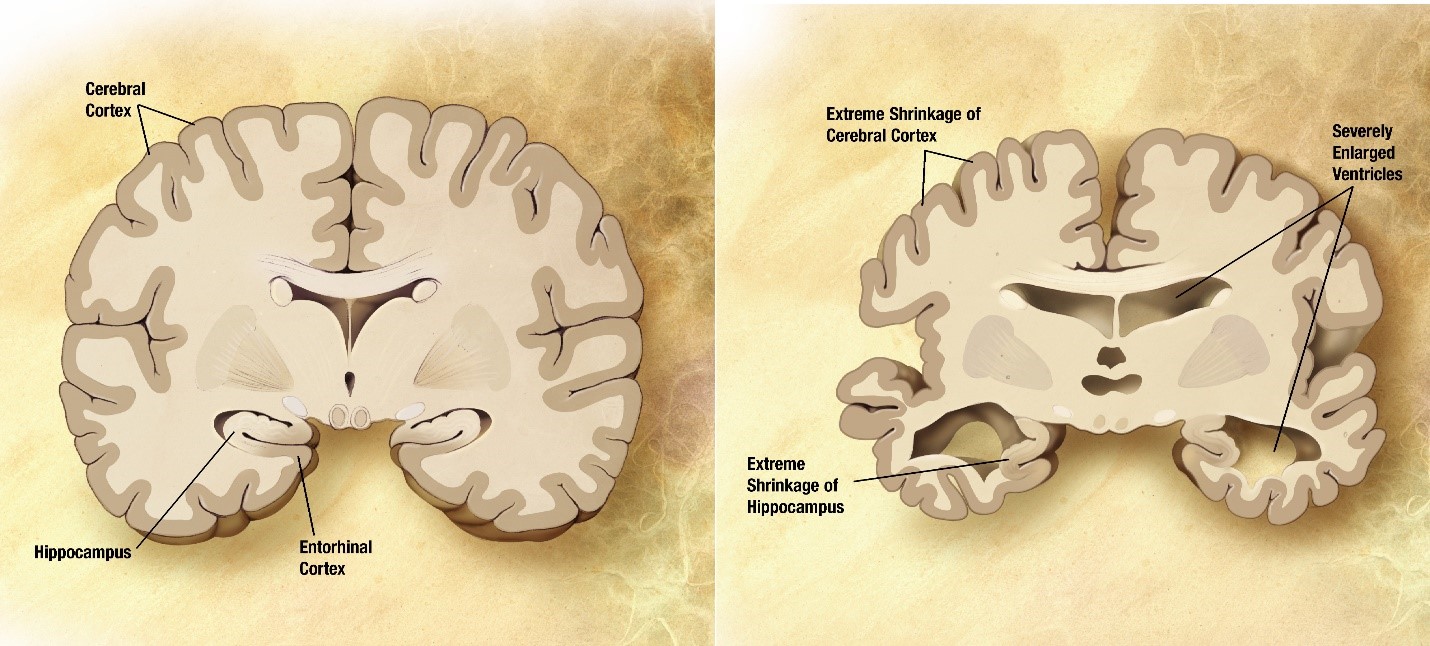
  • Reduction in brain mass:Comparing the brain of a youth to that of an older person, one might notice a reduced frontal lobe and hippocampus in the brain of the elderly. These regions of the brain are responsible for encoding new memories as well as performing higher cognitive functions.
  • Reduced cortical density:As we age, there will likely be a gradual thinning of the brain’s outer surface brought about by declining synaptic connections. It’s possible that this reduction of connections leads to reduced cognitive processing.
  • White matter:This is made up of the bundled myelinated nerve fibres that communicate nerve signals between brains cells. As we age, the presence of myelin reduces and this is suspected to lead to reduced cognitive function and slowed processing of information.
  • Neurotransmitter systems:It is believed that less chemical messengers are generated in the brain as we age. Example of such chemicals include acetylcholine, dopamine, and serotonin. Their absence is believed to contribute to declining memory, cognition, and increased likelihood of depression.

The more scientists are able to understand these factors and the difference between youths and the elderly, the more able they will be to suggest possible therapies to help prevent brain deterioration.

Activities to help slow Brain Aging

Get active

But even though what leads to the deterioration of the brain as we age is still not wholly clear, suggestions have been made concerning behaviours and activities that can be imbibed to maintain the health of the brain as we age.

Certain factors have been recognised as elements that accelerate brain aging. Example of such factors include obesity which can fast track brain aging by up to 10 years. A high sugar diet can also increase the speed of brain aging and lead to having poorer episodic memory, as well as a smaller brain volume.

Fortunately, you can avoid these and other habits that contribute to brain deteriorations, and pick up habits that instead slow down brain aging. The brain boosting effects of these healthy habits are more pronounced if you start them in your youth rather than wait till you start noticing declines as you age. People who have less symptoms of decline in memory and cognition share the following characteristics:

FAQs

Are older people smarter than younger people?

Having experienced more of life, older individuals have a richer collection of memories and experiences to guide their choices. On the other hand, age isn’t necessarily a determinant of intelligence as a 15 year old can have a higher IQ than a 40 year old.

What diet is best to reduce effects of brain aging?

A low cholesterol diet, less processed food, and more fruits and vegetable can contribute a lot to aging with a healthy mind. A fish rich diet can also be beneficial because of the Omega-3 fatty acid component.

How much physical activity do older people need to keep brain healthy?

45 minutes of exercise a day can contribute a lot to keeping both the body and mind healthy. Sufficient sleep at night is also important.

Is there a difference between the brain of a teenager and someone in their 20s?

A teenager perceives things differently compared to how an adult does. Teenagers haven’t yet developed many of the nerve connections that connect their frontal lobe to other parts of their brain. This limits their ability to think ahead. Because their brains are wired differently, teenagers undergo a different decision making process.

Are there pills that help keep the brain healthy?

There are nootropics and other supplements that have been tested to be safe and capable of boosting brain function as one ages.


Body functions, interpretation of information from one’s surroundings and the importance of the mind and soul are all embodied in the most spectacular and complex organ of the body called the brain. Brain cells make up the functional units that govern particular tasks like creativity, intelligence, memory and emotions towards experiences. The brainstem is like a relay center that connects the cerebellum and cerebrum to the spinal cord. However, there has been ongoing research on how brain cells organize to perform certain functions, and with neuro-imaging, scientists can now view hidden or elusive areas of the brain that is responsible for specific behaviours and functions. 

Our sense of taste, hearing, touch, smell, and sight passes information to the brain almost simultaneously. This messages are further interpreted and saved in the memory to help the brain in controlling the functions of the body’s several organs, speech, thoughts and general movement of limbs. The brain also regulates the pumping rate of the heart as regards to how people respond to different situations.

Anatomy of the Nervous system

The peripheral nervous system (PNS) and the central nervous system (CNS) make up the human’s complete nervous system. Cranial nerves that branch from the brain and spinal nerves from the spinal cord make up the PNS, while the brain and the spinal cord themselves make up the CNS. The skull protects the brain from physical injury.

The cerebrum controls learning, emotions, reasoning, movement, speech, hearing, vision and interpretes touch. Made up of left and right hemispheres, it’s considered the largest part of the brain. The cerebellum on the other hand maintains balance, posture and coordinates the movement of muscles in the body.

The brainstem helps in swallowing, vomiting, sneezing, digestion, waking and sleeping, heart rate, coughing, and breathing functions.

Research on Neuroanatomy

A neurologist Researching

The brain is like a world on its own, with tantalising hidden gems that have proved elusive over the years. Neurologists are fascinated by the way it keeps producing a large number of unexplored components that stretch across it’s territory. But more research on neuroanatomy has revealed some great findings that will marvel anyone who’s interested.

A recent research showed a discovery of vessels in the lymphatic system running through sinuses in the brain. If not for the advancements in neuro-imaging technology these lymphatic channels would have still been elusive till date. It is properly tucked and hidden behind a major blood vessel that’s why even the best of scientists with microscopes couldn’t view it easily.

Alzheimer’s disease and multiple sclerosis are likely to be the biggest beneficiaries of this discovery. Since the lymphatics is acts as a drainage system and is linked to the immune system, it could be tweaked to clear plaques of accumulated proteins that lead to multiple sclerosis, Alzheimer’s disease and other neurological disorders.

The brain is connected extensively by winding tracts and fibers that loop and meander around one another. This explains why the brain is complex and a discovery is always made even when scientists think they have found all the answers. The Parietal Memory Network (PMN) was discovered where it was hidden in the left hemisphere of the brain. It reacts to older information and novels in a different way as it involves memory processing – and can help in the management of cognitive disorders like Alzheimer’s disease.

A previously unknown “brain passageway” which is involved in visual processing was discovered recently. These brain fiber tracts known as Vertical Occipital Fasciculus (VOF) helps in how humans perceive faces, words, motion and control the movement of the eyes. It also helps scientists understand how people pay attention and how the brain learns to read.

Scientists used to think that the electrical activity is flatlined on the EEG (Electroencephalography) when the brain is in deep comatose. But recent study has shown that it’s actually not true – suggesting that there could be life after the death of the brain. Nu complex is the electrical wave that is seen even when a person falls into deep coma. This discovery will provide a guide or essential framework to medical personnel and anaesthetist on how to induce coma without causing any complications.

Frequently Asked Questions

1. How does the discovery of a new type of neurone affect Neuroanatomy?

It has a direct connection with dendrites and the axons, and the connection enhances the strength of the cell’s generated signals. This neurone which is located in the hippocampus of the brain of a mouse might actually help in the treatment of cognitive disorders.

2. What’s new about brain repairs and development?

The plasticity of the brain helps it repair itself, and brain fibers slowly connect to each other over time. External agents like curry and psilocybin are believed to help enhance and accelerate the processes of neuroplasticity and brain fiber connection. Yes, spices and mushrooms can help correct disorders.

3. Can mushrooms be used in treating depression?

The parts of the brain that doesn’t communicate or properly can actually be connected with the help of these psychedelic mushrooms. The mushrooms (or psilocybin) can actually help in the re-wiring of nerves to aid in the management and treatment of addiction and depression.

4. What are the benefits of using spices in correcting disorders?

Tumerones which causes proliferation of the nerve cells in the brain to aid in repairing nerve growth is contained in turmeric which can be found in spices like curry. Although the study was carried out in rats but it’s expected to be the same with humans as well. It is believed that all the neurological disorders that neurologists have not been able to reverse will benefit from this latest discoveries.

6. Are there likely to be more discoveries regarding Neuroanatomy?

Since the brain is like a world of its own, more discoveries and research should be expected. This is because the era of microscopes and physical observation has passed, while technological advancements in neuro-imaging is helping researchers obtain more views and images of every area of the nervous system.

If you wish to find out more on Neuroanatomy, you can go through all the FAQs and keep yourself updated.